

The Sanctions Age is Now Publishing Articles
We are creating a platform for expert analysis about how sanctions are changing the world.
Over the last two years, thousands of people have listened to The Sanctions Age podcast and hundreds of people have subscribed to this Substack. It has been wonderful to see so much engagement around the question of how sanctions are changing the world.
Clearly, people are eager to understand the many ways by which sanctions and other forms of economic coercion are altering the global economy, enflaming geopolitical rivalries, and impacting the lives of ordinary people. But there are so many more stories than we can cover in a ten episode podcast season!
That is why The Sanctions Age will now be publishing articles, written by the world’s most insightful thinkers on sanctions policy.
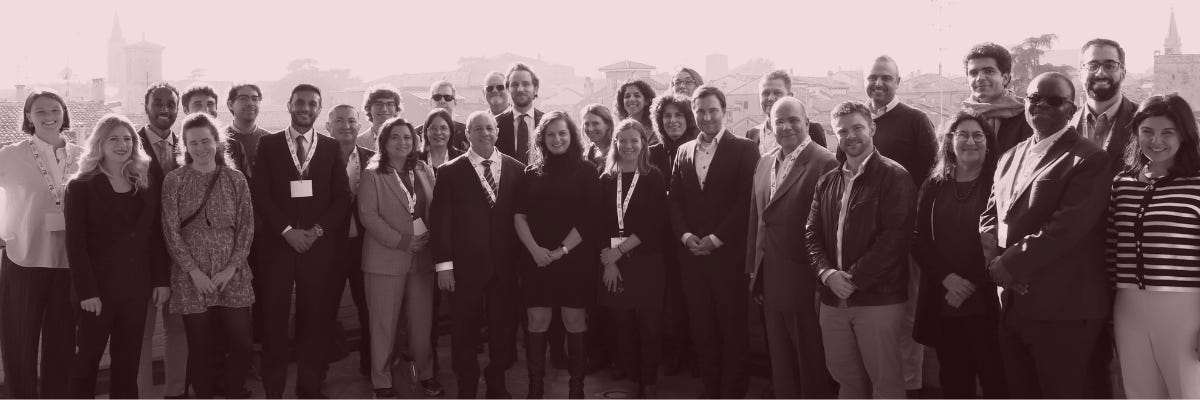
We are making this push as part of a new international initiative dedicated to understanding how sanctions are changing the world. This initiative, called the Bologna Initiative for Sanctions Relief, launched last November with a conference that brought together thirty of the world’s leading sanctions experts for two days of deliberations.
The conference was hosted by Johns Hopkins University School of Advanced International Studies (SAIS) and the University of Bologna. The initiative is led by the Bourse & Bazaar Foundation, a London-based think tank founded by Esfandyar Batmanghelidj, host of the The Sanctions Age podcast.
The attendees at the conference included several former guests of the show, including Francisco Rodríguez, Nicholas Mulder, Stephon Fallon, and Delaney Simon. So it makes perfect sense for us to open this platform as a place of discussion and deliberation, creating a home for incisive analysis about sanctions and their effects across a wide range of contexts.
We have already published three articles by initiative members, which you can read by clicking the buttons below.
How to Ensure China Doesn’t Spoil Venezuela’s Debt Restructuring
China’s oil-backed loans give it leverage to delay a comprehensive debt restructuring.
By Rachel Lyngaas

The Collateral Damage of Sanctions in Afghanistan
Policies designed to pressure the Taliban have left Afghan civilians bearing the heaviest cost.
By Sara Moussavi

Understanding Economic Pessimism in Iran
Survey data reveals a political dilemma for Iranian authorities.
By Esfandyar Batmanghelidj
While publishing articles, we will continue to produce the podcast as a core component of the initiative. You can expect the launch of Season 3 of the podcast in the coming weeks.
Articles will be free to read, you just need to have a free subscription on Substack. Paid subscribers will enjoy additional benefits including transcripts for the podcast episodes and invitations to exclusive webinars (thanks for your support!). If you think a friend or colleague would be interested in our forthcoming content, please share this newsletter with them.
Stay tuned for unique analysis on the latest developments in Venezuela, the efforts to rebuild Syria, the impact of sanctions in Cuba, and so much more.
Esfandyar Batmanghelidj and Josefine Petrick
This looks great! I'm keen to follow along.